I Knew I Was a Man When…
About the Project
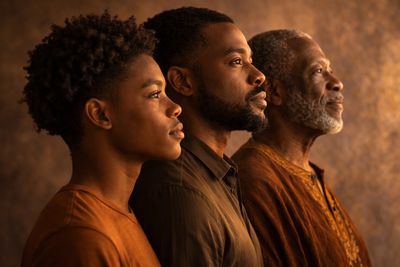
“I Knew I Was a Man When…” is a first-person research project designed to explore how African-American men understand and describe their transition into manhood. Rather than relying on outside definitions, stereotypes, or narrow social assumptions, the project centers the voices of Black men themselves.
Through personal narrative, the study examines how lived experience, identity, accountability, mentorship, family, and community influence the meaning of becoming a man. By treating personal reflection as a source of knowledge, the project creates space for men to define manhood through their own stories.
Why This Project Matters
Too often, manhood is defined by external expectations instead of lived experience. For African-American men in particular, those expectations are frequently shaped by stereotypes, social pressure, and limited cultural narratives. This project offers a different approach by creating space for Black men to speak for themselves.
By documenting how African-American men describe the lessons, responsibilities, affirmations, and challenges that shaped them, this project provides insight that can support educators, mentors, families, faith communities, and leaders who are committed to the healthy development of Black boys and men.
At the heart of this project is a simple but powerful question:
“I knew I was a man when…”
This prompt invites participants to reflect on the experience, responsibility, relationship, or turning point that made manhood real to them. For some, that moment may have come through responsibility. For others, it may have come through hardship, affirmation, leadership, fatherhood, loss, work, service, or self-recognition.
What the Study Explores
This study explores how African-American men define and interpret the transition into manhood across different life experiences and social contexts. It looks at the moments and meanings that shape identity, as well as the people and circumstances that help make manhood visible and understood.
Areas of focus include defining moments of transition, responsibility and accountability, mentorship and affirmation, family and community influence, hardship and growth, and the ways men come to understand purpose, maturity, and self-definition.
Methodology
This project uses a phenomenological first-person narrative approach grounded in reflection, lived experience, and qualitative inquiry. Participants are invited to respond to the central prompt by sharing their story in their own voice and from their own perspective.
Responses may be gathered through interviews, written reflections, or recorded testimony. The research team reviews these narratives for recurring themes, patterns, and culturally grounded meanings that deepen understanding of how African-American men experience the transition into manhood.
Impact and Application
The stories shared through this project have meaning far beyond the individual reflection. They can help illuminate how manhood develops in real life and what kinds of support, relationships, and structures matter most along the way.
Findings from this work will inform mentoring efforts, rites-of-passage initiatives, youth leadership development, educational practice, family engagement, faith-based programming, and broader conversations about identity, belonging, and the development of African-American boys and men.
Project Primary Investigator
Lathardus Goggins II, Ed.D.
Dr. Goggins is an educator, researcher, and thought leader whose work explores African-centered rites of passage, identity development, social-emotional learning, and educational transformation. His scholarship and community-based work focus on helping young people and communities build culturally grounded pathways toward belonging, purpose, resilience, and achievement.
Call to Action
Learn More or Get Involved
If you would like to learn more about the project, explore partnership opportunities, support the research, or connect with the research team, we invite you to reach out. This work is grounded in the belief that first-person narrative can help strengthen scholarship, community understanding, and culturally responsive support for Black boys and men.
Interested in the project? Use the contact form below to request more information, ask a question, or share your interest in supporting the work. We welcome inquiries from educators, researchers, mentors, community leaders, organizations, and individuals who value culturally grounded research and development.