Centering people as the authors of their own becoming.

I Knew I Was a Woman When…
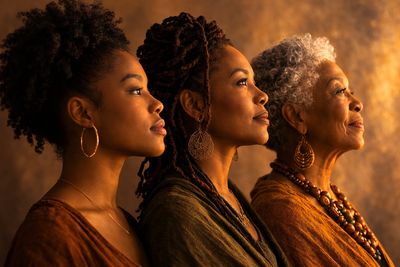
“I Knew I Was a Woman When…” is a first-person research project that centers the voices of African-American women as they reflect on the experiences, relationships, responsibilities, and turning points that shaped their transition into womanhood. Through personal narrative, the project explores the lived meaning of becoming a woman.
I Knew I Was a Man When…
“I Knew I Was a Man When…” is a first-person research project that invites African-American men to describe, in their own words, the moment, experience, or realization that marked their transition into manhood. By centering lived experience, offering insight into identity, responsibility, mentorship, and the cultural meaning of becoming a man.
I Knew I Was a Woman When…
About the Study
This study will focus on the voices of African-American women and invite reflection on a powerful prompt:
“I knew I was a woman when…”
Through these narratives, the project seeks to understand how Black women describe the experiences, responsibilities, relationships, and moments of recognition that shaped their transition into womanhood. Rather than defining womanhood by age or a single milestone, this initiative examines womanhood as a lived, developmental, relational, and culturally meaningful process.
Why This Study Matters
Too often, Black women’s lived experiences are interpreted through stereotypes, deficit-based assumptions, or narrow definitions of adulthood. This study takes a different approach.
It centers African-American women’s voices as the primary source for understanding womanhood, identity formation, affirmation, resilience, leadership, and transition.
The goal is to document culturally grounded benchmarks and themes that can inform:
- Mentoring and intergenerational leadership
- Culturally responsive rites-of-passage models
- Educational and community-based programming
- Family support and maternal development frameworks
- Research, policy, and practice that honor the full humanity of Black girls and women
Research Focus
This study is designed to explore questions such as:
- When do African-American women report that they knew they had become women?
- What experiences served as defining transition points?
- How do responsibility, caregiving, leadership, and self-determination shape womanhood?
- What role do affirmation, mentorship, and community recognition play?
- How do race, family structure, socioeconomic context, and lived experience influence the meaning of womanhood?
Methodology
This initiative will use a phenomenological, first-person narrative approach grounded in reflective storytelling and qualitative inquiry. Narratives may be collected through interviews, written reflections, or recorded responses. The research team will review the narratives for recurring themes, benchmarks, and culturally grounded patterns that deepen understanding of womanhood in the lives of African-American women. Because personal reflection may involve intimate or emotionally significant experiences, confidentiality, care, and participant dignity will remain central to the study process.
Project Primary Investigator
Tiffany Edwards, CFRE
Tiffany Edwards brings strategic leadership, community-centered vision, and a strong commitment to storytelling, affirmation, and the advancement of Black women and communities.